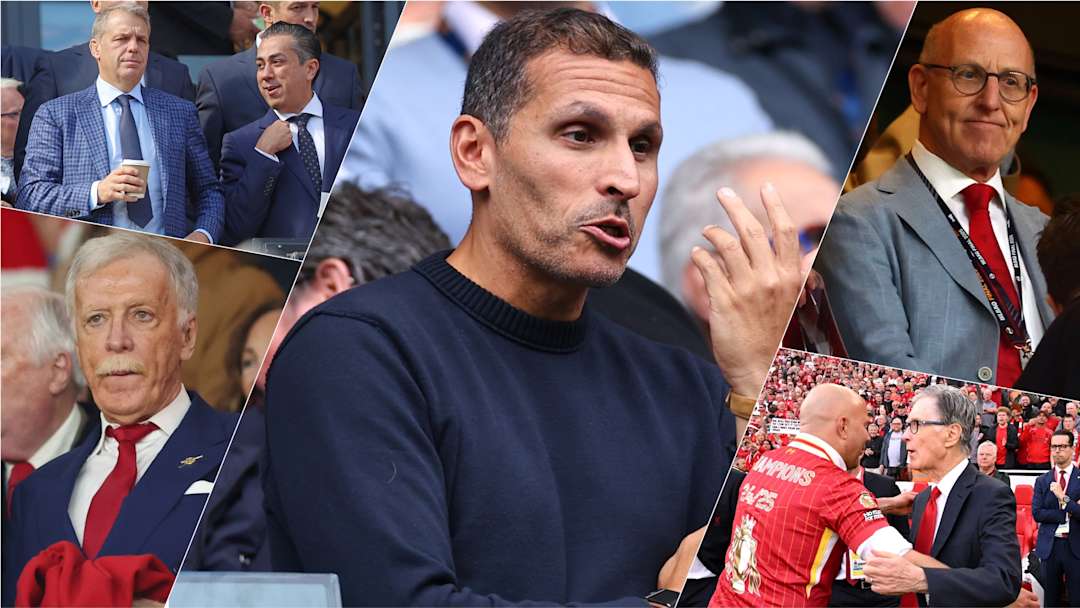
Analyzing Premier League January Transfer Strategies: City's Speed vs. American-Owned Caution
The January transfer window presents a unique challenge for Premier League clubs, with no single blueprint for success. While fans debate which club "won the window," an analysis of strategies reveals distinct patterns among England's elite, with outcomes that extend far beyond immediate match results.
Manchester City: The Reactive Powerhouse
Manchester City emerged as the most active and decisive club this winter, securing the coveted signings of defender Marc Guéhi and forward Antoine Semenyo. Their strategy is built on financial muscle, structural efficiency, and the clear vision of manager Pep Guardiola. Backed by Abu Dhabi ownership, City can move quickly not only with transfer fees but also with competitive wages, often deterring rival clubs from entering bidding wars.
City's internal structure allows them to react smartly to market opportunities, leveraging strong PSR (Profit and Sustainability Rules) positions from consistent player sales and substantial revenue. This creates a significant competitive advantage in the mid-season market.
The American-Owned Approach: Value, Patience, and Summer Focus
In contrast, the American-owned clubs like Arsenal, Chelsea, Liverpool, and the part-American-owned Manchester United exhibited characteristic caution. These clubs typically seek greater value and strategic variety during the summer window.
A case in point is Liverpool's £60 million deal for French U21 international defender Jérémy Jacquet—a signing that won't see the player arrive until summer. This approach seems counterintuitive given Liverpool's immediate need for defensive reinforcement, but may reflect lessons learned from previous transfer battles, such as their failed pursuit of Guéhi last summer.
"When other clubs know City are in for a player, they tend to withdraw from the chase," notes the analysis, highlighting the psychological and financial dominance City exerts in the market.
Strategic Outcomes Beyond Winning
The January window serves multiple purposes beyond securing short-term results. For clubs like City, it's about reinforcing dominance and addressing specific tactical needs for a title push. For the more cautious American-owned models, it's about avoiding overpayment, maintaining financial discipline, and executing a longer-term squad-building vision.
This divergence in strategy underscores the different philosophies governing the Premier League's elite. While City's model enables reactive, aggressive moves to maintain their peak, the American-influenced clubs prioritize sustainable growth, data-driven value, and patience—even if it means sacrificing immediate impact.
As the season enters its decisive phase, the effectiveness of these contrasting January approaches will be tested on the pitch, defining not just the remainder of the campaign but also shaping the strategic landscape for summers to come.